Edward Blore
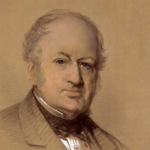
British architect
Edward Blore's AcademicInfluence.com Rankings

Download Badge
Computer Science
Why Is Edward Blore Influential?
(Suggest an Edit or Addition)According to Wikipedia, Edward Blore was a 19th-century English landscape and architectural artist, architect and antiquary. Early career He was born in Derby, the son of the antiquarian writer Thomas Blore. Blore's background was in antiquarian draughtsmanship rather than architecture, in which he had no formal training. Nevertheless, he designed a large palace for Prince Mikhail Semyonovich Vorontsov in Alupka, Crimea, and important ecclesiastical furnishings designed by him included organ cases for Winchester Cathedral and Peterborough Cathedral and the choir stalls in Westminster Abbey. Charles Locke Eastlake, writing in 1872, believed that he had been apprenticed to an engraver, but other sources dispute this. He illustrated his father's History of Rutland , and over the next few years he made the drawings of York Minster and Peterborough Cathedral and measured drawings of Winchester Cathedral for John Britton's English Cathedrals, and drew architectural subjects for various county histories. In 1816 he was introduced to Walter Scott and worked with William Atkinson on the design of Abbotsford House. In around 1822 Blore supplied the illustrations to Thomas Frognall Dibdin's Aedes Althorpianæ. In 1823 he toured Northern England, making drawings for a work called the Monumental Remains of Noble and Eminent Persons. It was issued in parts with text by the Rev. Philip Bliss, and completed in 1826. Blore engraved many of the plates himself.
